

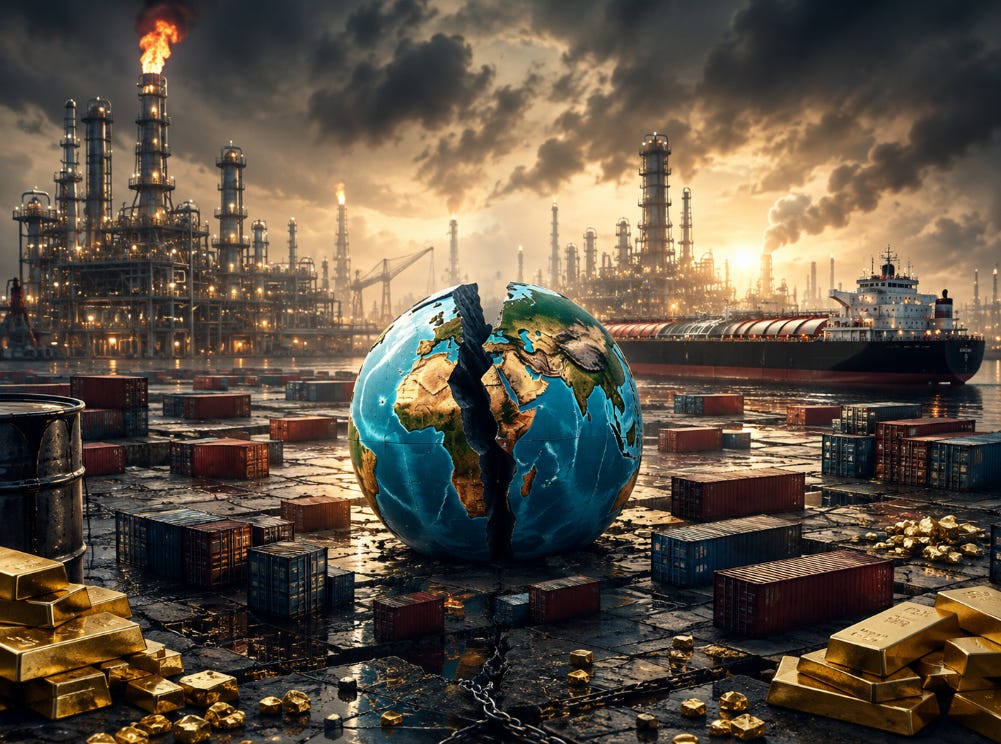
“Paper money eventually returns to its intrinsic value: zero”
Voltaire
Merchants,
look at a map of how the world actually feeds and fuels itself, and right now almost every artery on it is bleeding at the same time.
The Strait of Hormuz, which normally carries around 20 million barrels of oil a day, close to 1/5 of everything the world burns, has been throttled to a trickle.
The Red Sea is a shooting gallery.
The Black Sea ports are under drone attack.
The Rhine is at a record low and its barges have all but stopped.
The Panama Canal is rationing ships because a drought has drained its lakes.
That is only the surface of a much bigger and more dangerous story and it is the one I want to walk you through today.
Underneath the broken shipping lanes sits a world that is short of nearly everything at the same moment, and a financial system that is quietly losing the world’s trust.
Two forces are arriving together.
The stuff is getting scarcer and the money is getting weaker.
Put them side by side and you get what I’ve come to call the everything shortage and I believe it is the defining trade to jump in.
I’ve shown you the smaller pieces before, how the market watches the crude price and ignores the fuel that actually runs the economy.
Today the picture is far bigger than one barrel, and it deserves the whole analysis.
Never this many at once
The arteries, this is the part that is genuinely without precedent.
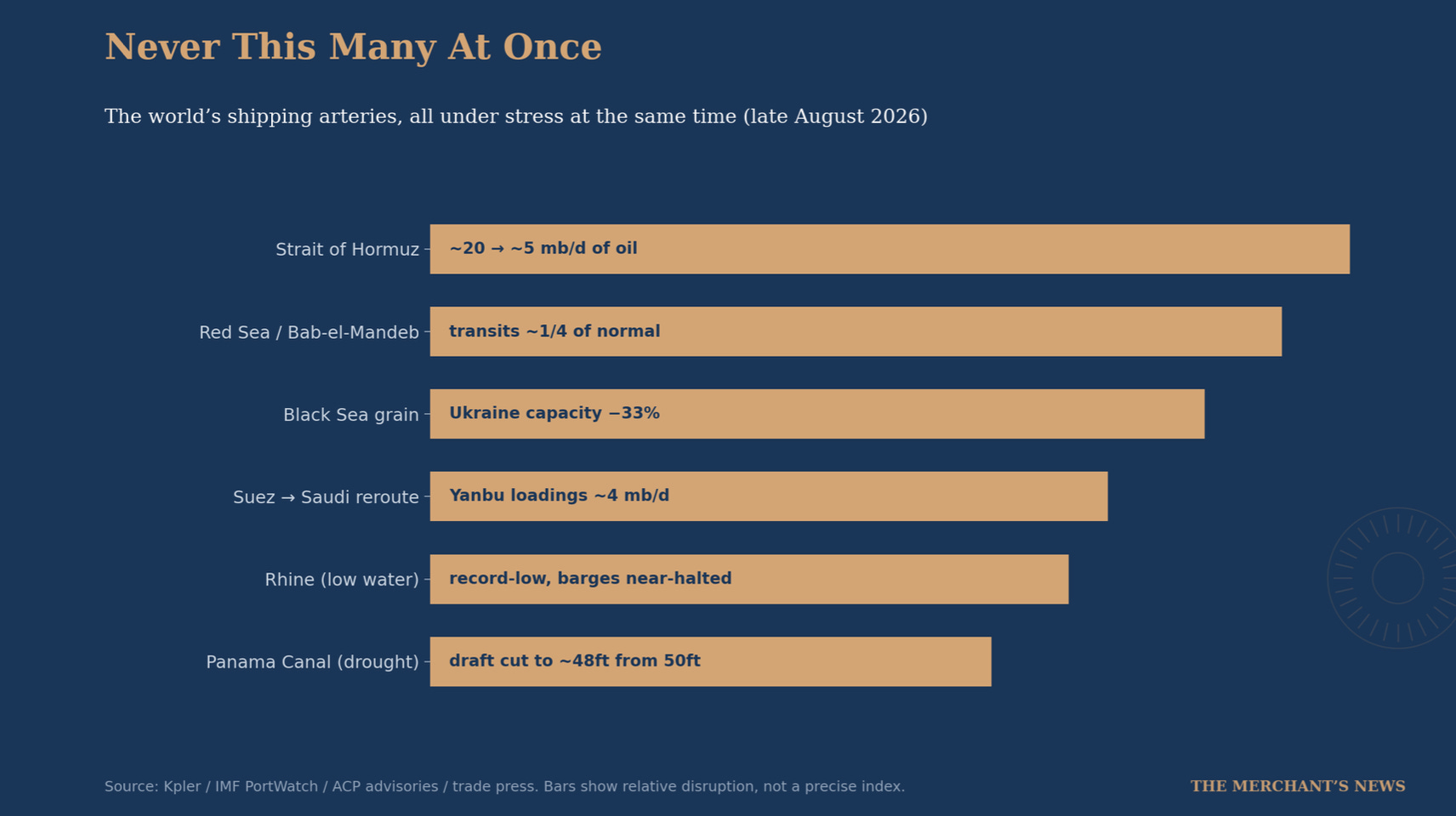
Every major shipping chokepoint the world leans on is under stress at the same time, and there is no spare route left to carry the load.
Hormuz first, because it is the big one.
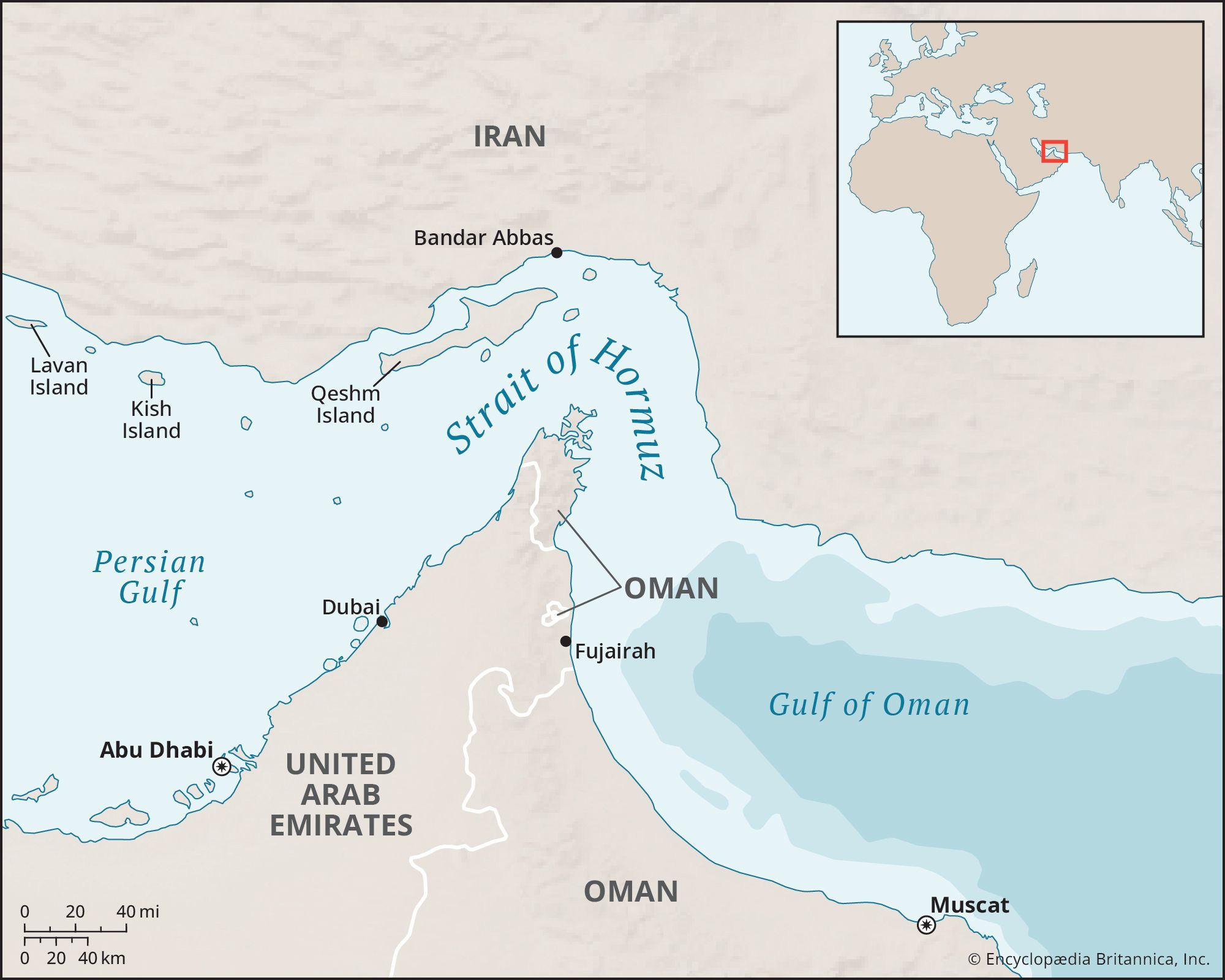
In a normal year around 20 million barrels of oil a day move through that narrow gap between Iran and Oman. Through this war it has collapsed to something like 5 million. The pipelines that go around it, across Saudi Arabia and the UAE, can only carry about 9 million between them, so there is simply no way to make up the loss if it stays shut.
The Red Sea, and the Bab el Mandeb strait at its mouth, are down to roughly 1/4 of their normal traffic, because the Houthis have made the route too dangerous.
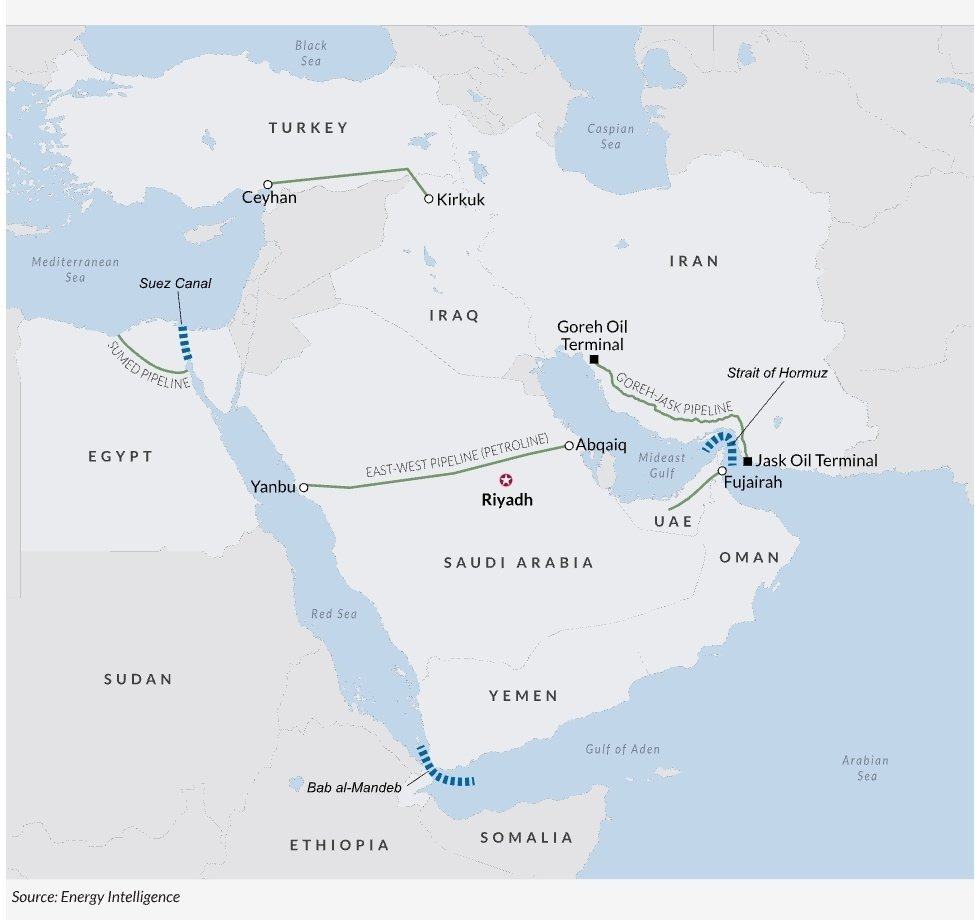
So Saudi Arabia is now hauling its crude the long way, up to the port of Yanbu and across to the Mediterranean, where those flows have jumped from a couple of 100k barrels a day a year ago to around 4 million.
It works, but every one of those barrels now travels farther and costs more.
The Black Sea is the world’s breadbasket lane, and it is on fire.
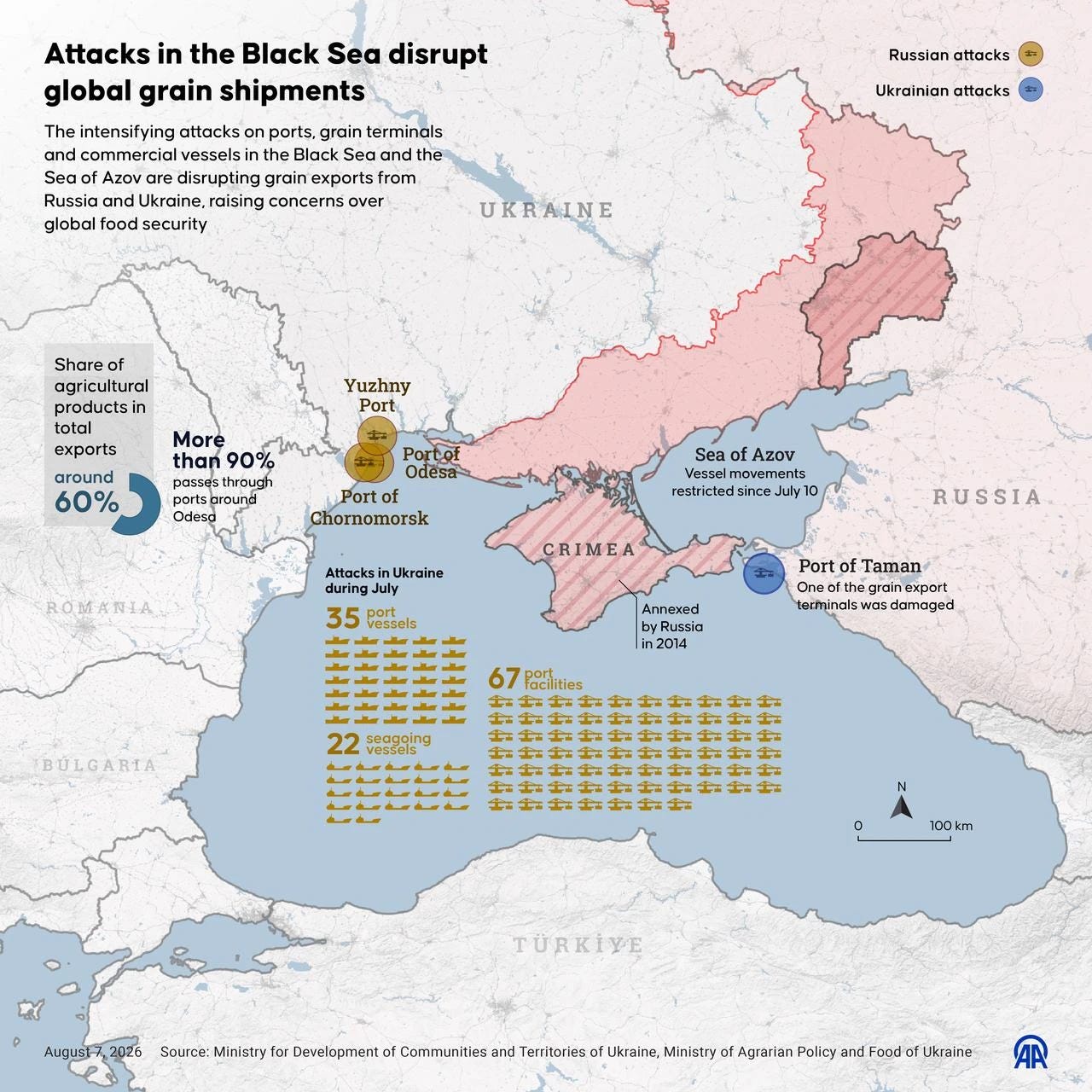
Russia and Ukraine together are about 27% of the world’s wheat exports, and after a wave of strikes this summer Ukraine’s export capacity is down by a 1/3.
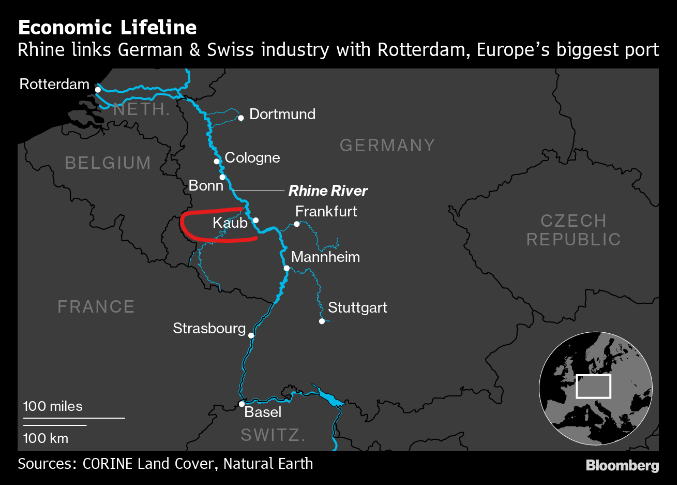
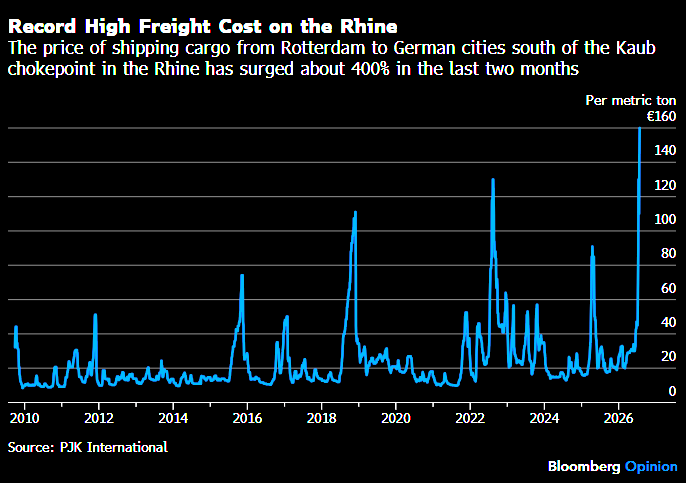
The Rhine, the river that carries diesel and coal and chemicals through the middle of Europe, has dropped to a record low, below even the 2018 crisis, and its barges are sailing at a small fraction of their normal loads or not at all.
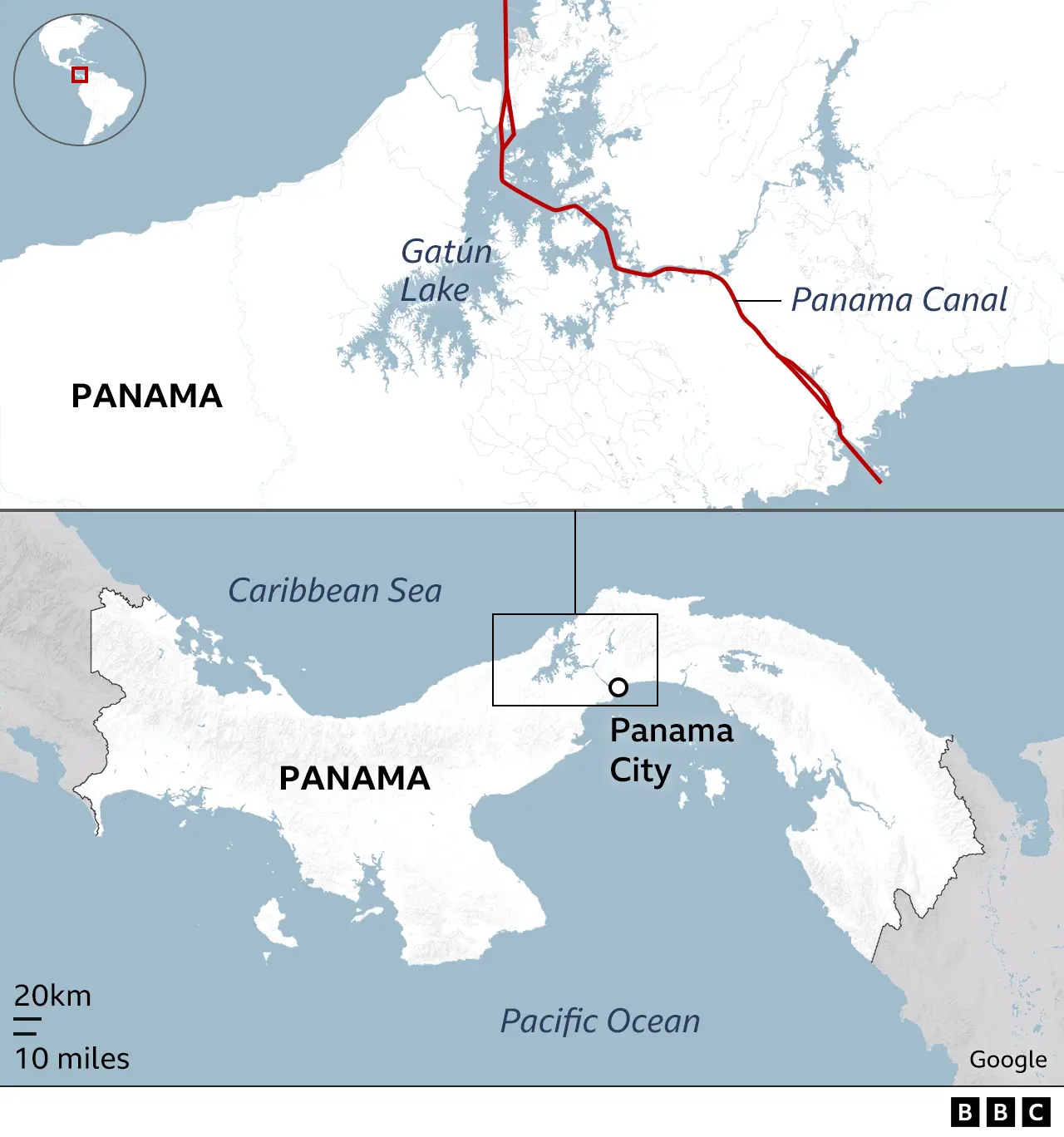
The Panama Canal, drained by drought, has cut how deep it lets ships sit in the water from a 50 foot design down toward 48, and trimmed how many can pass each day, with a strong El Niño forecast to make it worse into late 2026.
Line them all up and the message is simple and frightening.
There is no slack anywhere in the system.
Every backup route is already carrying someone else’s emergency and this goes well beyond oil.
Food moves through the very same broken ports.
When every artery is stressed at once, the cost of shifting anything real, a barrel, a tonne of wheat, a shipping container, goes up, and it stays up.
The signal the market keeps ignoring
I’ve written before about why the oil price on your screen misleads you, so I’ll keep this short.
Crude is the noise, the products are the signal.
Nobody on Earth actually burns crude oil except a refinery. What you and I and every truck and farm pay for is the diesel and the gasoline, and those are the numbers screaming right now while crude sits quiet.
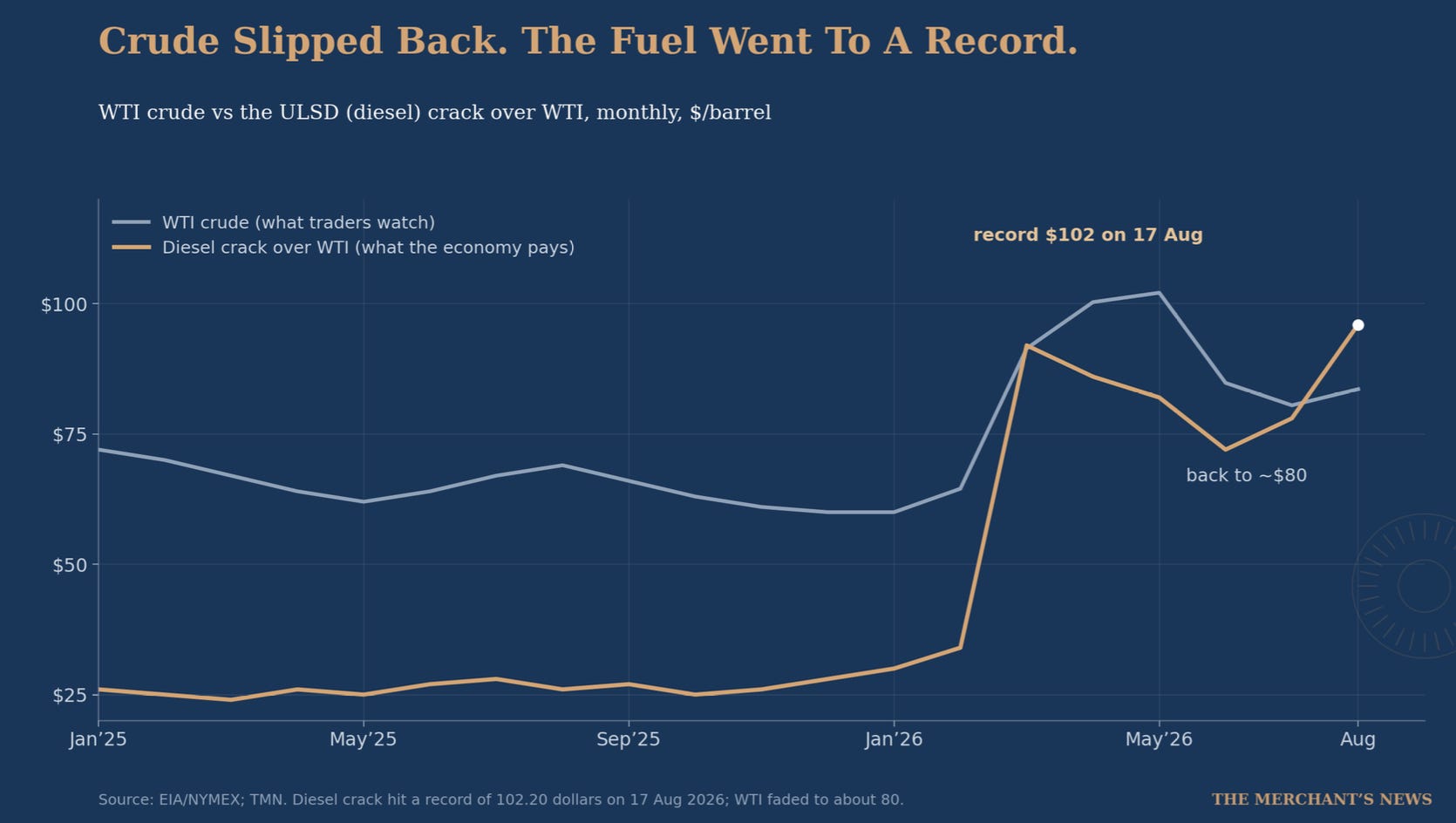
On the 17th of August, the diesel crack, the profit a refiner earns turning a barrel of oil into diesel, hit an all time record of $102 a barrel.
It has settled back to the mid $90s since, but sit with the size of that for a moment.
The crude itself costs around $80.
The refining margin stacked on top of it is worth more than the barrel. Priced through the diesel, the world is already paying as if oil were close to $160.
US distillate stocks are the lowest for this time of year since 1996.
We are in a fuel crisis… The crude screen simply does not show it.
So why has nobody panicked?
Because governments have spent years learning to hide scarcity, and I’ve made this point before too, so ever since Jimmy Carter went on television in 1977, admitted there was an energy crisis, and got punished for it at the polls, every president has done the opposite.
Never admit the shortage.
Drain the emergency reserve, push the price down, get past the next election.
That game is nearly out of road.
The US Strategic Petroleum Reserve has been run down to about 290 million barrels, with another large release still under way that would take it toward 240.
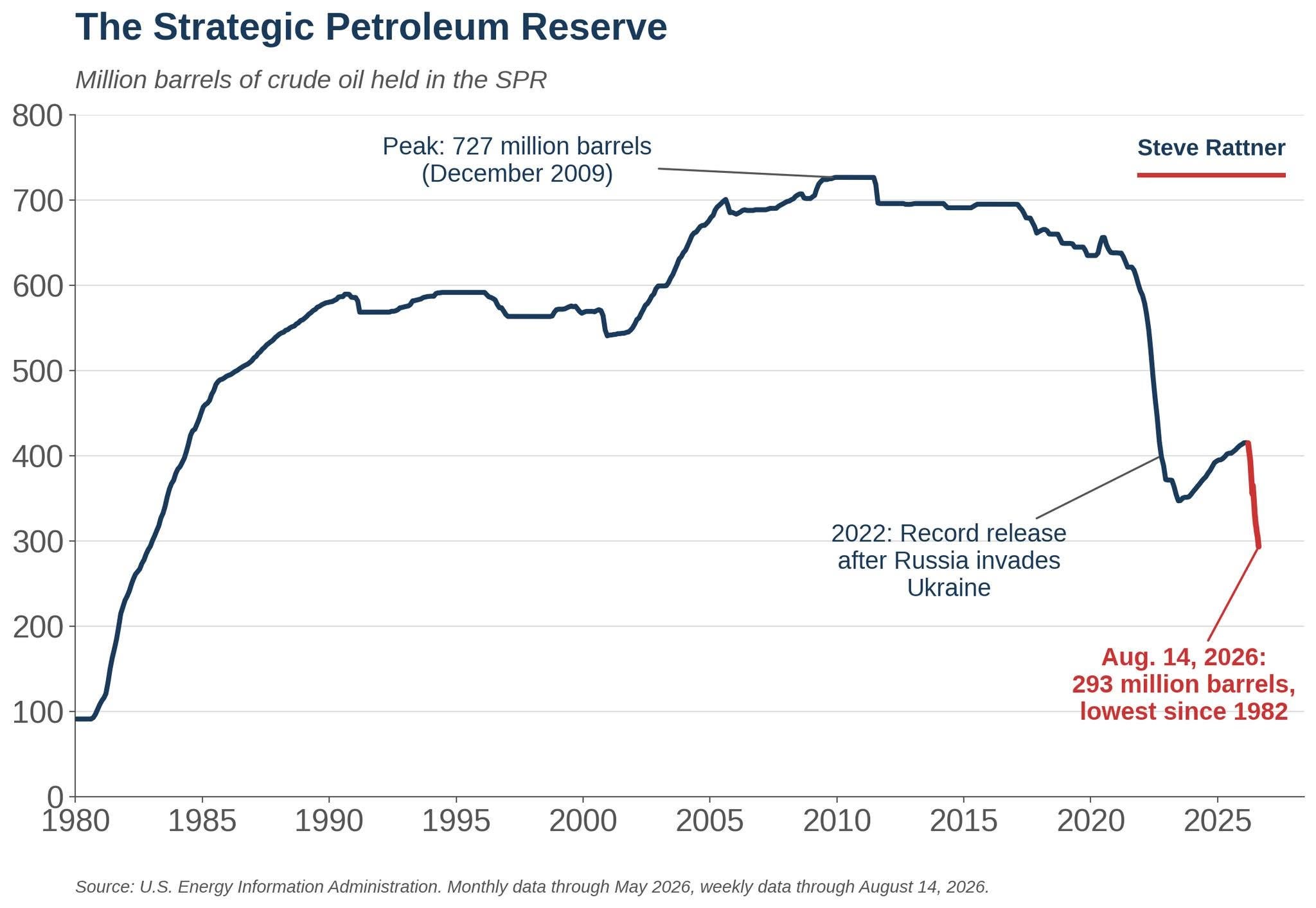
The engineers who actually know these underground salt caverns warn against going much below 300 million, because below that the caverns themselves start to collapse.
Once that buffer is gone, there is nothing left to smooth the price.
It doesn’t rise…. It leaps.
The bill for a decade of not investing
This is where the scarcity really comes from, and it makes me genuinely angry, because it was a choice.
For a many years, politics told the oil and mining industries to stop.
Told to quit drilling and quit digging and stop building refineries, all in the name of a cleaner future, and the money that should have gone into new supply was shamed and starved out of the sector.
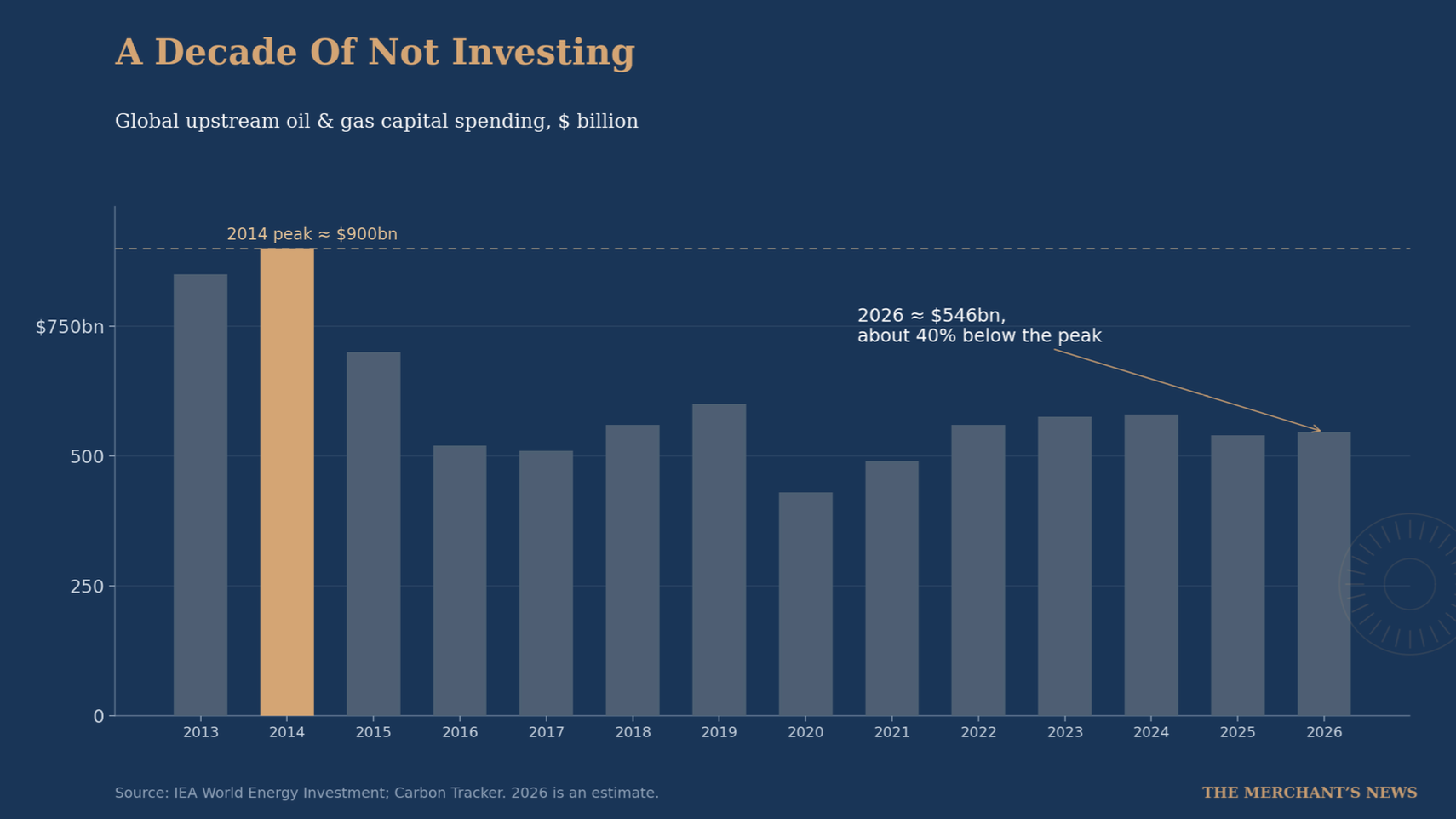
Global spending on finding and producing oil and gas is running around $546 billion this year, roughly 40% below where it stood at the 2014 peak.
The industry’s pipeline of big new projects has thinned to almost nothing.
(we will focus later but a new copper mine takes the better part of almost 15+ years to build)
The U-turn (not the one that the vessels are doing in the SOH) has already begun, which tells you the honest people can see it.
BP, which spent years remaking itself into a green energy company, has reset hard and pointed its money straight back at oil and gas. It is the clearest admission you will find that the world still runs on molecules and will for a long time yet.
The strange part that explains the market’s long sleep is this.
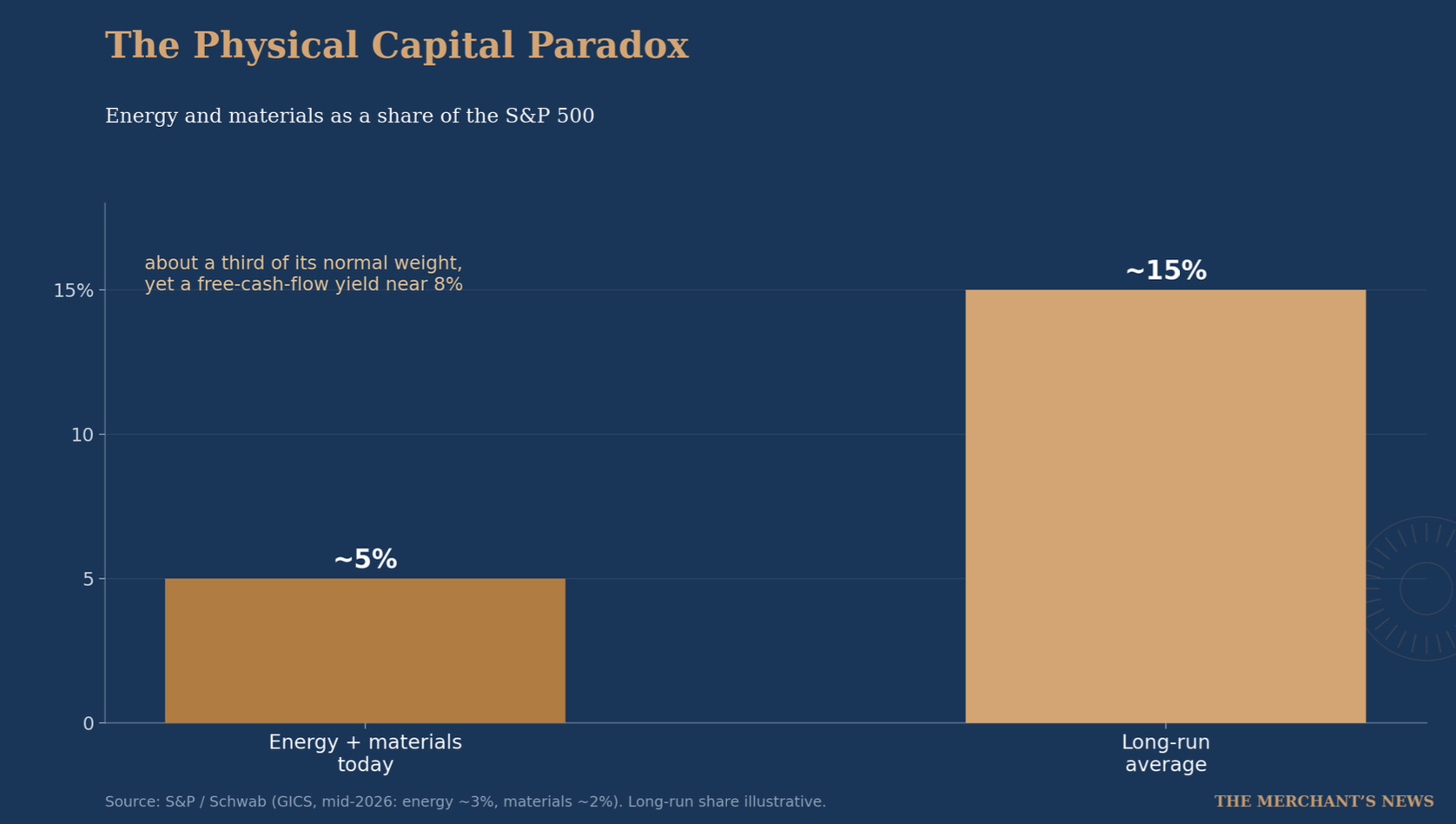
Energy and materials together have shrunk to about 5% of the whole US stock market, roughly 1/3 of their normal long run weight.
Run the sum a fund manager runs, like i’m pretenting to to for The Merchant’s book.
If energy is 3% of your book and it doubles, you make 3%.
Technology is 1/3 of your book, so it barely has to twitch to beat that.
So nobody bothers with the small, unloved, volatile corner of the market, even though those energy companies are handing back free cash at a yield near 8%, well above the market as a whole.
The neglect is the opportunity.
It is also why, when this finally turns, the crowd that ignored it watches its returns get wrecked, exactly as it did in 2022.
There is a plumbing reason the mispricing lasts, too.
After the financial reforms that followed 2008, the banks stopped warehousing risk, and the liquidity drained out of the far end of the oil futures market until almost all of it sat in the first few months.
So a business that wants to lock in oil years ahead simply cannot any more, and the price that far out means very little.
The only way left to truly own oil in the future is to own an oil company.
Hold that thought.
Two buyers that don’t care about the cycle
The usual objection is that a recession would kill demand for all of this.
In a normal cycle, that would be right.
But two enormous new buyers have arrived who do not answer to the business cycle at all.
The first is war.
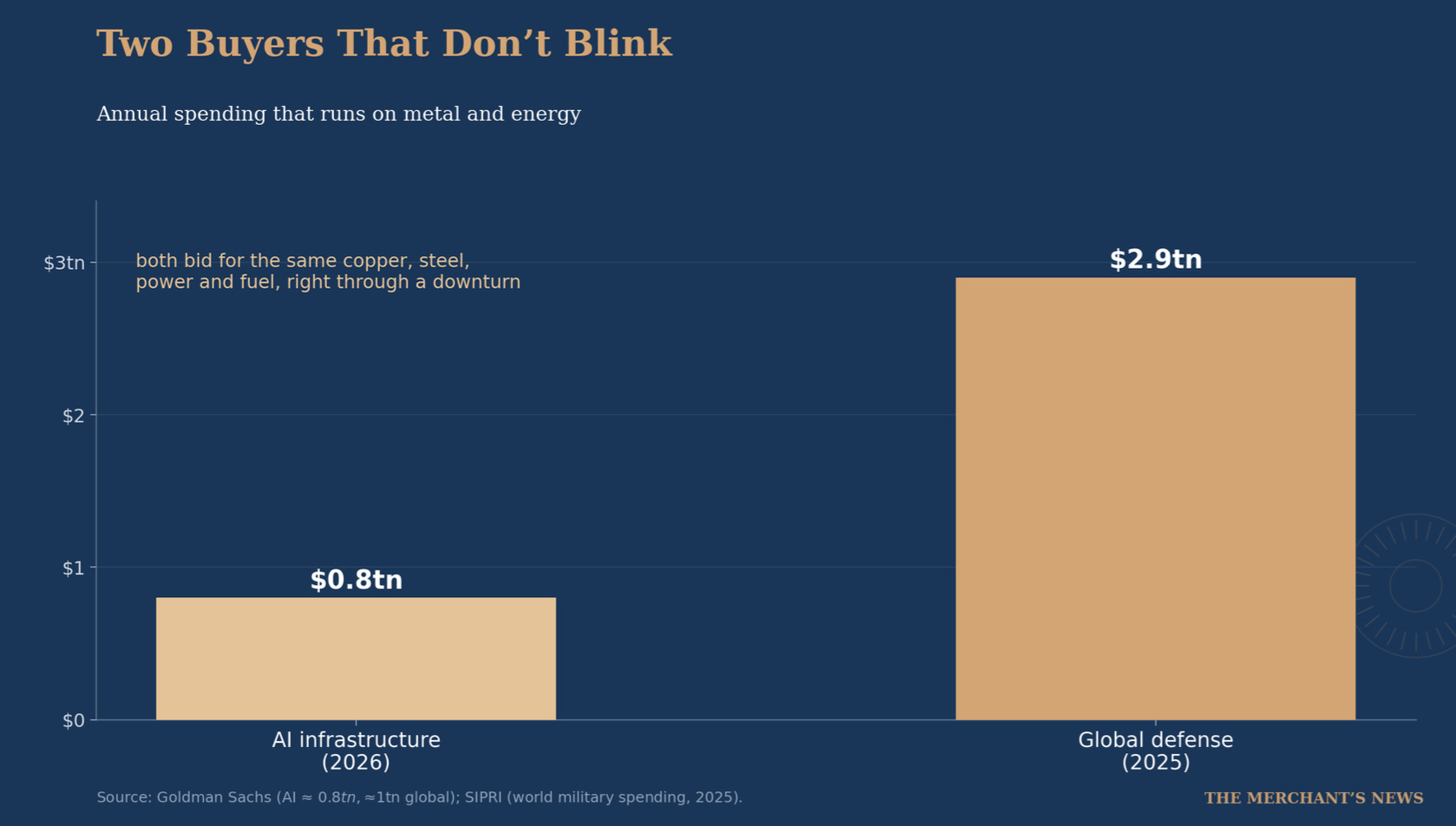
The world is re arming, and global military spending has already passed $2.9 trillion a year.
You cannot build a missile, a warship, a power grid or a drone swarm without huge amounts of metal and energy and that spending rises in a downturn, it does not fall.
The second is artificial intelligence.
The build out of data centres this year is running near $800 billion, closer to a trillion once you count the whole world.
Very little of that is really software.
Most of it is steel, copper, concrete, transformers, diesel generators and the electricity to run the lot.
AI carries a feature almost everyone is missing.
Old software scaled to infinity at no extra cost: write it once, sell it a billion times.
This build out is the opposite.
It is physical, and the more of it you build the more each extra piece costs, because you start bumping into the limits of how much copper and power there actually is.
People are a renewable resource and a cheap one.
Copper and energy are not….
We are trying to swap cheap renewable human labour for finite, irreplaceable molecules, and the plain arithmetic says the cost only climbs from here.
Step back far enough and the AI race is really an energy race.
Whoever reaches cheap, abundant power at scale wins, the way the railroads decided the last great contest, and that is the game China is playing.
Between the generals and the tech giants, you have two deep pocketed buyers of hard assets who will keep bidding straight through any downturn.
Why the dollar has to give?
Now the money, because this is the other jaw of the vice.
The United States owes so much that the interest on its debt alone has passed a trillion dollars a year, bigger now than the entire defense budget, and it grows every time yields rise.
There is only one way out of a hole that deep without an outright default and that is to inflate it away, to make each dollar worth a little less and pay tomorrow’s lenders back in cheaper money.
That is debasement and my read is that we are watching the early moves of it.
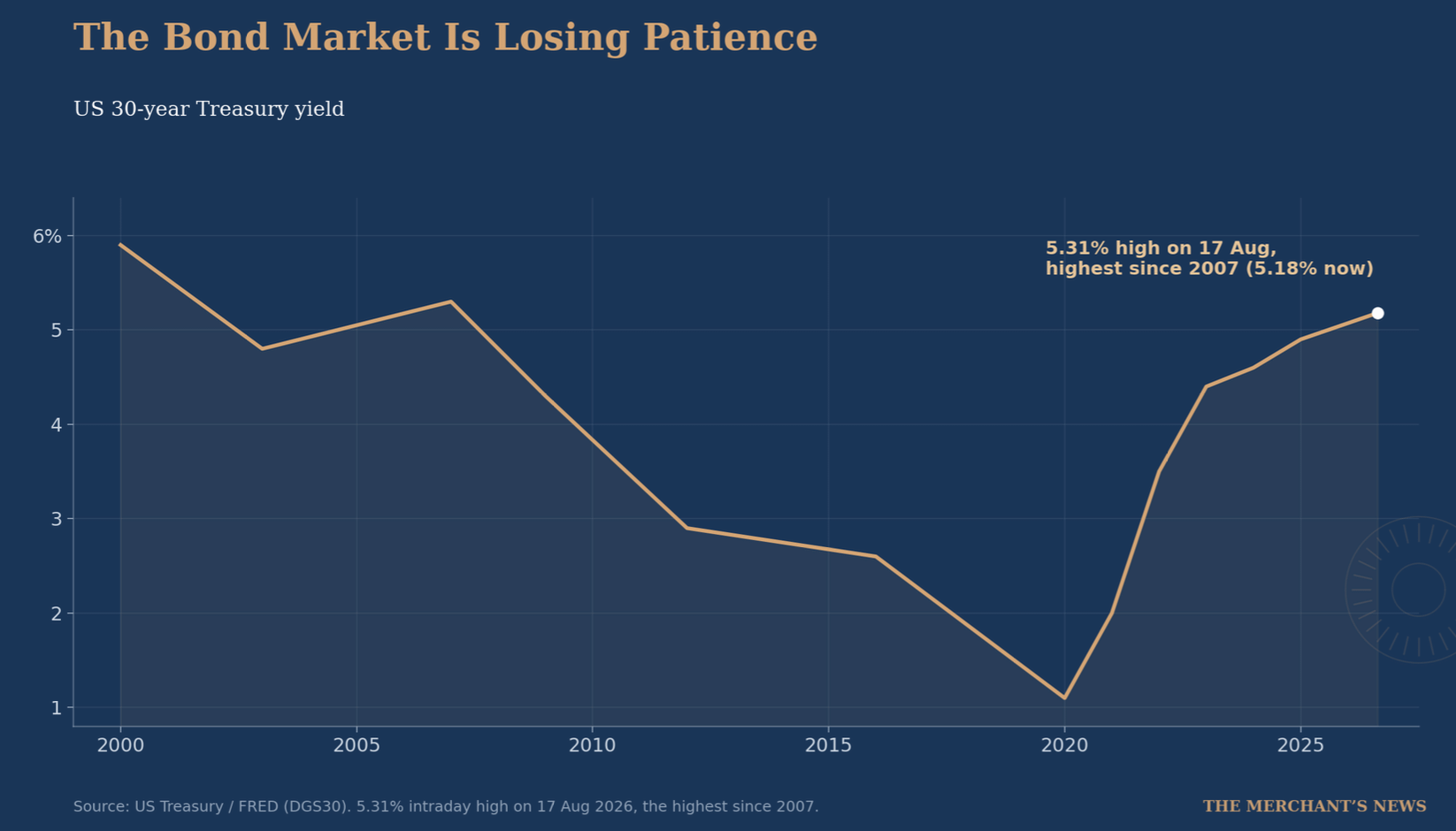
The 30 year Treasury yield has climbed to 5.3%, the highest since 2007.
The big foreign holders like Japan and China, who used to buy America’s debt without a second thought, are stepping back and a weaker dollar suits Washington just fine.
It is the quiet plan behind the polite words.
This is the part that turns debasement from merely likely into almost certain.
The real engine of modern inflation is not low interest rates.
We had rock bottom rates for 20 years.
The engine is government cheques, money handed straight to the people who will spend every dollar of it.
When Washington mailed out $1,400 cheques in 2021, commodity prices took off and the stock market later fell around 25%.
The wealth quietly shifted from the top to the bottom, which is exactly what it was for.
In an angry, divided country, the only way either party keeps the peace is to keep handing out money and every time they do, the currency loses a little more of its value.
This is bipartisan.
It is the one policy nobody will ever stop.
A borrower this deep in debt has one honest way out and one quiet one. Default, or debase.
They will choose debase every single time.
The grand bargain is breaking
To see why the world’s trust in the dollar is even in question, you have to go back to 1945.
At a meeting in a small New Hampshire town called Bretton Woods, with America holding roughly half of all the world’s manufacturing, the United States struck a bargain with the free world.
We will guard the sea lanes with our navy and let everyone trade in peace, and in return you will all use our dollar.
That deal is the foundation of American wealth, the reason it can borrow and spend like no country before it.
That navy was handed down.
The ships changed from Portuguese and Spanish sailing vessels to British battleships to American carriers, but the thing that truly mattered was the chain of ports, and the West has held it for 400+ years.
The Portuguese controlled Bahrain from 1521.
Diego Garcia, the tiny island that still refuels the fleet in the Indian Ocean, came down the same line.
Whoever holds the ports controls the seas, and whoever controls the seas runs the money…thalassocracy
Now 3 of those sea lanes are blocked at once, Hormuz, the Red Sea and the Black Sea and there is no global policeman reopening them.
If America cannot keep its side of the bargain, it begins to lose the privilege and being American gets more expensive.
Think of Switzerland, where the government can borrow long term at around half a percent because the whole world wants to hold Swiss francs.
Everyone wanting your money is a discount on everything you borrow.
Lose it, with a deficit already near 6% of national income, and the discount turns into a penalty.
There is a bigger frame worth saying plainly.
What we are really watching is the emerging powers, the group people call the BRICS, testing the tired old Western order and the West looks slow and stretched.
35 years ago the first Gulf War announced America as the lone superpower and set off the age of globalization. This may be the other bookend, the same film running in reverse, even the weapons have changed. The old war machine ran on oil, on trucks and jets and carriers, call it artificial muscle.
The new one runs on drones and chips and batteries, call it artificial intelligence, and a $40,000 drone can now destroy a machine worth a thousand times more.
That shift is part of why the balance suddenly feels like it is tilting.
What is worth …
